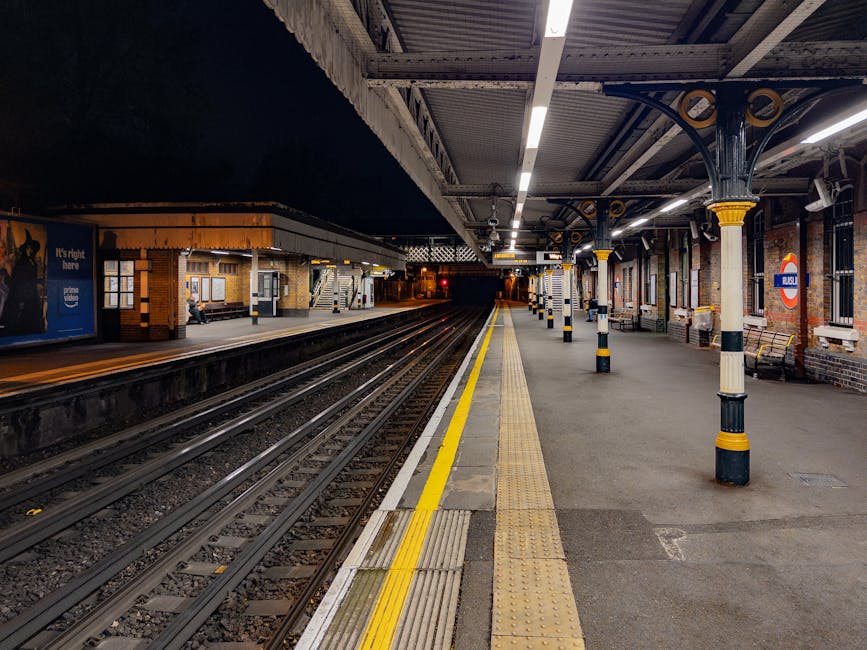
Uxbridge station moves and short access removals guide
If you are planning a move near Uxbridge station, the details matter more than most people expect. A short carry from the van to the front door sounds simple enough, but tight roads, limited stopping space, flats with stairs, and busy station traffic can turn a quick job into a fiddly one. This Uxbridge station moves and short access removals guide breaks down what short-access removals really involve, how to plan them properly, and how to avoid the small mistakes that cause big delays.
Whether you are moving from a station-adjacent flat, collecting heavy furniture, or organising a same-day load in a congested street, the aim is the same: reduce stress, protect your belongings, and keep the move moving. A bit of good planning goes a long way. Truth be told, around transport hubs the difference between a smooth move and a frustrating one is often measured in minutes, parking choices, and how well the access has been checked beforehand.
Table of Contents
- Why Uxbridge station moves and short access removals guide Matters
- How Uxbridge station moves and short access removals guide Works
- Key Benefits and Practical Advantages
- Who This Is For and When It Makes Sense
- Step-by-Step Guidance
- Expert Tips for Better Results
- Common Mistakes to Avoid
- Tools, Resources and Recommendations
- Law, Compliance, Standards, or Best Practice
- Options, Methods, or Comparison Table
- Case Study or Real-World Example
- Practical Checklist
- Conclusion
- Frequently Asked Questions
Why Uxbridge station moves and short access removals guide Matters
Moves near a station tend to feel straightforward on paper and slightly messy in real life. Station areas bring a few predictable complications: parked cars, narrow access, pedestrian flow, limited loading windows, and properties that are often tucked behind shared entrances or small courtyards. Add a heavy sofa, a stack of boxes, or a wardrobe that only just fits through a hallway, and you can see why planning matters.
A short access removal is not just a small move. It is a move where the route from vehicle to property is restricted, awkward, or physically demanding in a way that changes how the job needs to be done. That might mean a short carry, but it can also mean more careful timing, more hands, and better equipment. If you ignore that part, the move can become slower, more expensive, and honestly a bit chaotic.
For people living or working close to Uxbridge station, the biggest risk is usually not the lifting itself. It is the access. Can the vehicle stop safely? Is there room for tail-lift use? Is there a flight of stairs? Will lift access be available at the time you need it? These questions sound basic, yet they are the ones that save a day from going sideways.
Expert summary: the best station-area removals are rarely the biggest ones; they are the best-prepared ones. If access is clear, timing is sensible, and the right vehicle is used, even a compact move can feel calm and controlled.
If you are comparing removal support options, it can help to look at broader services such as removals, man and van, or house removals, depending on the size and complexity of the job. For some moves, especially if the property is a flat or a compact station-side home, flat removals can be the most relevant fit.
How Uxbridge station moves and short access removals guide Works
The process is really about matching the move to the access conditions. That means thinking through the property layout, loading point, lift availability, parking, item size, and how much manual carrying will be involved. A short access removal often sounds easier because the destination is close, but close does not always mean easy. A 20-metre carry over a step, through a narrow communal entrance, can take longer than a 50-metre open path to a ground-floor doorway. Funny how that works.
In practice, a good removal plan starts with a proper access check. You identify where the vehicle can stop, whether the load needs to be trolleyed, wheeled, or hand-carried, and whether anything bulky needs to be dismantled before the move. If the route has tight corners or uneven paving, that should shape the plan from the beginning, not halfway through when someone is already holding a mattress in a doorway.
The next piece is vehicle choice. A small van may be ideal for a quick stop-and-go move, while a larger van or truck may suit a bigger household or a job with multiple bulky items. The wrong vehicle can waste time. Too large, and you struggle with access or parking. Too small, and you make extra trips. Neither is great.
Short access removals also benefit from timing. Station areas tend to be busiest at commuter peaks, school run times, and weekends when local traffic picks up. A move that starts early can be easier, quieter, and less stressful. You notice the difference straight away: fewer people in the way, less waiting, less pressure. The air feels calmer too, even when the job itself is physical.
What usually happens on move day
- The team checks access, parking, and entry routes before lifting anything.
- Protective materials are used where needed to reduce scuffs and damage.
- Bulky or awkward items are moved first if they affect the rest of the load.
- Boxes and loose items are grouped to cut down on repeated trips.
- Items are loaded in a sensible order so unloading is faster at the other end.
If packing is still underway, support from packing and boxes or packing and unpacking services can make station moves much less frantic. A box that is taped properly and labelled clearly is a small thing, but it saves time every single time.
Key Benefits and Practical Advantages
A well-planned station-area move gives you more than convenience. It reduces the odds of damaged furniture, avoids rushed lifting, and keeps neighbours and building managers happier too. That last point is often overlooked. In shared buildings, a move that is tidy and quiet is usually appreciated far more than one that blocks entrances or drags on for hours.
Here are the most useful benefits in plain English:
- Faster loading and unloading: short access routes can work well when the item flow is organised properly.
- Lower handling risk: when the right trolley, straps, and carrying method are used, heavy items are less likely to be dropped or scraped.
- Better control in busy streets: station-adjacent jobs benefit from a vehicle plan that avoids unnecessary waiting or double-parking.
- Less disruption: a smart setup keeps hallways, shared entrances, and pavements clear for longer.
- More predictable costs: clear access information helps prevent surprise delays or extra trips.
There is also a mental benefit. A move feels easier when you know someone has thought through the awkward bits. If you have ever stood outside with a sofa while someone says, "We may need to try the other entrance," you will know what a relief good planning can be.
For people who need flexibility, services such as same day removals or removal van options can be useful, provided the access is realistic and the timing is agreed in advance. If you are moving furniture only, a focused service like furniture removals may be more efficient than booking a larger household move.
Who This Is For and When It Makes Sense
This guide is most relevant for people moving from properties close to Uxbridge station where access is tighter than average. That might be a flat above a shop, a small terraced house with limited driveway space, a rental with communal corridors, or an office that sits on a busy road with little room to load.
It also makes sense if you are not moving far, but the access is complicated. A short local move can still be fiddly if parking is awkward or if the building has rules about lift use, entry times, or loading bays. Small distance. Big admin. Very typical, really.
Typical readers include:
- tenants moving in or out of station-area flats
- homeowners relocating within Uxbridge or nearby neighbourhoods
- students moving between term-time accommodation and storage
- small businesses shifting stock, files, or furniture
- people collecting single items from a property with limited access
If you are a student, a specific service such as student removals can be especially useful for compact moves with boxes, bedding, monitors, and the odd chair that always seems heavier than expected. For commercial moves, the same access logic applies, just with extra pressure around timing and disruption, so commercial moves or office removals may be the better fit.
Step-by-Step Guidance
Below is a practical way to approach a station-area move without overcomplicating it.
- Measure the access route. Check the distance from the stopping point to the entrance, the width of corridors, stair turns, and whether any lifting or carrying obstacles are likely.
- Confirm parking or stopping space. Even a short stop needs to be realistic. If the van cannot safely park near the property, the whole plan changes.
- List the awkward items. Sofas, beds, desks, white goods, and large mirrors usually deserve special attention. Don't leave them for "we'll see on the day."
- Choose the right move type. A simple load may suit man with van or man with a van support, while larger homes may need fuller removal services.
- Pack and label carefully. Label the room and the contents clearly. Use smaller boxes for heavy items so they can be handled safely.
- Protect the property. Door frames, corners, and floors can take a beating during a rushed move. Small protection steps matter.
- Load in the right order. Heavy, stable items should go in first, with fragile items secured away from movement.
- Allow time for unloading. The return journey can be just as tricky if access at the destination is equally tight.
If you need temporary space between properties, storage can be a practical buffer. That is often the quiet solution people wish they had chosen sooner, especially when completion dates wobble or keys are delayed.
A simple move can become a long day if nobody has a plan for the final 20 metres. That last stretch is where most short-access problems show up.
Expert Tips for Better Results
Experience teaches you that small moves near station areas are won or lost in the details. These are the habits that usually make the biggest difference.
- Share access photos early. A picture of the entrance, road layout, or internal stairwell is often more useful than a long description.
- Keep a clear path inside. Shoes by the door, laundry baskets, prams, and plant pots have a habit of appearing exactly where you need space.
- Disassemble only what helps. You do not need to take apart everything. Focus on items that genuinely improve safety or access.
- Use the right team size. A second pair of hands can save time on stairs and corners, especially with bulky items.
- Separate essentials. Keep chargers, keys, medication, documents, and kettle supplies somewhere easy to reach. Yes, the kettle. It matters more than people admit.
If you are moving a single large or awkward piece, such as a piano or heavy cabinet, a specialist service may be more appropriate than a general load. For example, piano removals are a different job altogether and should be approached with proper care.
One small but useful tip: walk the route from the van to the property before lifting anything. Stand where the trolley will turn. Look for a lip at the doorway, a low branch, a lift that is too small, or a corner that might catch. It is boring for about 90 seconds, and then it saves 90 minutes.
Common Mistakes to Avoid
Most problems in short-access removals are avoidable. That sounds obvious, I know, but people still make the same handful of mistakes again and again.
- Underestimating the carry distance: "Short access" can still be physically demanding if there are stairs, slope changes, or narrow turns.
- Not checking parking properly: if the vehicle ends up too far away, the job gets slower and more tiring.
- Overpacking boxes: heavy boxes are harder to carry and more likely to split. Keep them manageable.
- Ignoring building rules: communal properties may have access windows, lift booking rules, or delivery restrictions.
- Leaving dismantling too late: beds and wardrobes are much easier to handle when prepared in advance.
- Forgetting insurance and safety questions: you want to know how items are handled if something unexpected happens.
For peace of mind, it is sensible to review practical service information such as insurance and safety and the company's health and safety policy before booking. That is not overcautious. It is just sensible.
Another common slip is choosing the wrong service size. A compact move may suit a vehicle-based option, while a larger family move may be better handled through house removals or home moves. There is no prize for booking the biggest option if you do not need it.
Tools, Resources and Recommendations
You do not need specialist gear for every move, but the right basics make a real difference. Think of this as the unglamorous kit list that quietly saves your back, your stairs, and your timing.
- Strong boxes: use a sensible mix of small and medium sizes.
- Packing tape and markers: simple, but absolutely essential.
- Furniture covers and blankets: useful for door frames, sofa arms, and polished surfaces.
- Trolley or sack truck: helpful if the access route is flat enough and safe for wheeled movement.
- Straps and ties: keep load stability under control in transit.
- Phone flashlight: handy for dim hallways, cellars, or late-day finishing touches.
From a service perspective, options like removal van, removal truck hire, and moving truck are worth considering depending on load size, parking conditions, and how many trips you want to avoid. A bigger vehicle is not always better, by the way. It only helps if the access allows it.
For quick collections or single-room clearances, furniture pick up can be a practical route. For broader support, removal services tend to give more flexibility around planning, loading, and route management.
Law, Compliance, Standards, or Best Practice
Any removal around a station area should be handled with safety and courtesy in mind. In the UK, moving work is normally shaped by general duties around safe lifting, safe driving, and careful handling of property. You do not need to be a lawyer to see the common-sense bit: people, vehicles, and buildings all need to be treated with care.
Best practice usually includes:
- checking access before move day
- using suitable lifting methods and equipment
- protecting floors, walls, and doorways where needed
- keeping routes clear for residents, staff, and pedestrians
- making sure any vehicle stop is safe and lawful
If the move is commercial, the standard of planning needs to be even tighter because business interruption can be expensive and awkward. That is where office relocation services or office removals can be a more appropriate option than a casual, ad-hoc approach.
It also helps to read practical company policies before booking, especially terms and conditions, payment and security, and privacy policy. Those pages do not move your sofa, of course, but they do tell you a lot about how the service is run.
Options, Methods, or Comparison Table
Choosing the right approach depends on the size of the load, the quality of access, and how quickly the move needs to happen. Here is a straightforward comparison.
| Option | Best for | Strengths | Watch-outs |
|---|---|---|---|
| Man and van | Small to medium loads, quick local moves | Flexible, efficient, often ideal for short-access jobs | May be less suitable for larger households or heavy multi-room moves |
| Removal van | Compact household or furniture moves | Good balance of capacity and manoeuvrability | Still needs sensible parking and route planning |
| Removal truck hire | Larger homes, office loads, bulkier items | Greater capacity and fewer trips | May be harder to position near restricted access points |
| Full removals | More complex moves with multiple rooms or special handling | Broader support and more structured loading | Can be more than needed for a very small job |
As a general rule, the less access you have, the more valuable planning becomes. If you are unsure, it is usually better to describe the access in detail and let the move size be matched properly rather than guessing and hoping for the best. Hope is not a moving strategy, let's be honest.
Case Study or Real-World Example
Imagine a couple moving from a second-floor flat near Uxbridge station into a nearby house. The distance between the van stop and the entrance is not long, but the road is busy and there is no private driveway. The flat has one narrow staircase and a lift that can fit boxes but not a tall wardrobe. The couple also has a sofa bed, a dining table, and several heavy storage boxes packed a little too confidently.
In a rushed version of this move, the van might be parked too far away, the wardrobe might be tried first, and the lift might be ignored until everyone is already tired. That is the sort of setup that leads to delays and slightly strained faces.
A better version is much simpler. The access is checked in advance, the wardrobe is dismantled, the heaviest items are loaded first, and the boxes are split into manageable weights. The team uses the lift for what it can handle and the stairs for what it cannot. By the time the move finishes, the flat is empty, the hallway is clear, and nobody has had to improvise with a cupboard door in a doorway. A small victory, but a real one.
That is the point of this guide: short access does not have to mean difficult access. It only becomes a problem when the move is treated like any other one.
Practical Checklist
Use this checklist before the move starts. It is simple, but it catches most of the issues people forget in the rush.
- Confirm the property address and exact access point
- Check where the vehicle can legally and safely stop
- Measure stairs, doorways, lifts, and corridors if needed
- Identify bulky or fragile items in advance
- Decide whether items should be dismantled before moving
- Pack heavy items into smaller boxes
- Keep essentials separate for immediate access
- Tell the team about shared entrances, codes, or building rules
- Review insurance, safety, and terms before booking
- Prepare a fallback plan if parking or access changes on the day
If you are moving with children, pets, or a very small window to complete the job, that checklist becomes even more useful. A little bit of structure makes the whole day feel less frantic.
Get a free quote today and see how much you can save.
Conclusion
Uxbridge station moves and short access removals guide planning is really about reducing friction. The closer you are to a station, the more likely you are to deal with parking limits, shared access, narrow routes, and time pressure. None of that is unusual, and none of it needs to derail the move if you prepare properly.
The best results come from a clear access check, realistic vehicle choice, sensible packing, and a move plan that respects the building as much as the belongings. Get those basics right and even a tight, awkward little move can feel surprisingly manageable. Not perfect, maybe, but manageable. And that is often exactly what you need on moving day.
If you are comparing options or planning a move near the station, the next sensible step is to map out access honestly and choose the service that fits the job, not the other way around. That one decision can save a lot of hassle later.
Sometimes the calmest move is the one that was prepared with the most care.
Frequently Asked Questions
What does short access removal mean?
Short access removal means the vehicle cannot stop right beside the property entrance, so items need to be carried, wheeled, or trolleyed over a short distance. The carry may be brief, but it can still affect timing, labour, and equipment needs.
Why are station-area moves more difficult?
Station areas often have heavier traffic, limited stopping space, shared entrances, and more pedestrians. That combination makes planning more important, even for a small local move.
Do I need a van or a full removals service?
It depends on how much you are moving and how awkward the access is. Small loads usually suit a van-based service, while larger household or office moves are often better handled through a fuller removals option.
Can you move furniture from a flat near Uxbridge station?
Yes, furniture can usually be moved from a flat, but stairs, lifts, and hallway width need to be checked first. Flat moves are often easiest when the access route is described clearly before the move date.
How far is too far for a short access move?
There is no fixed number. A short carry can still be difficult if the path includes stairs, corners, steps, or awkward surfaces. The real issue is not distance alone, but how easy the route is to navigate safely.
What should I tell the removal team before moving day?
Tell them about parking restrictions, lift access, stair counts, narrow hallways, entry codes, and any awkward or oversized items. The more accurate the access information, the more smoothly the move usually goes.
Is same-day help suitable for a station move?
Sometimes, yes. Same-day support can work for smaller or urgent moves, but only if access, load size, and timing are realistic. If the property is especially tight, it is better to confirm the details carefully first.
Should I dismantle beds and wardrobes before the move?
Usually yes, if dismantling makes the items easier and safer to carry. It is especially helpful where access is limited or stair turns are tight. Just keep all fixings together in a labelled bag.
What happens if parking is not available on the day?
If parking is blocked or restricted, the move can slow down quickly. That is why it helps to have a fallback plan, such as an alternative stopping point or a revised loading sequence.
Do I need storage if my dates do not line up?
If your moving dates do not match, storage can be a practical bridge between properties. It is often useful when completion is delayed or when the new place is not ready for everything at once.
How do I know if my move needs extra care?
If you have large furniture, narrow access, stairs, fragile items, or a tight time window, the move probably needs more care than average. That does not mean it will be difficult, only that it should be planned properly.
Where can I find more information about service terms and safety?
It is sensible to review the company's terms, insurance and safety information, and health and safety policy before booking. Those pages help set expectations and show how the service is managed day to day.